Implementation

Control of indicators at the beginning of the year: which metrics should be tracked in the CRM
The beginning of the year is more than just a new calendar. For business, it is a new financial and operational starting point. It is during this period that the team's pace of work, sales volume, discipline of task execution, and financial stability are shaped.
If you don't look at the numbers at the start of the year, management quickly shifts into a problem-reaction mode. However, if metrics are tracked regularly, the business becomes predictable.
CRM serves as the control center in this process. It allows you to see not only the final results but also the process itself: what is happening every day, where delays occur, and which areas require attention.
Let's look at the key metrics that are worth monitoring from the very first months of the year.
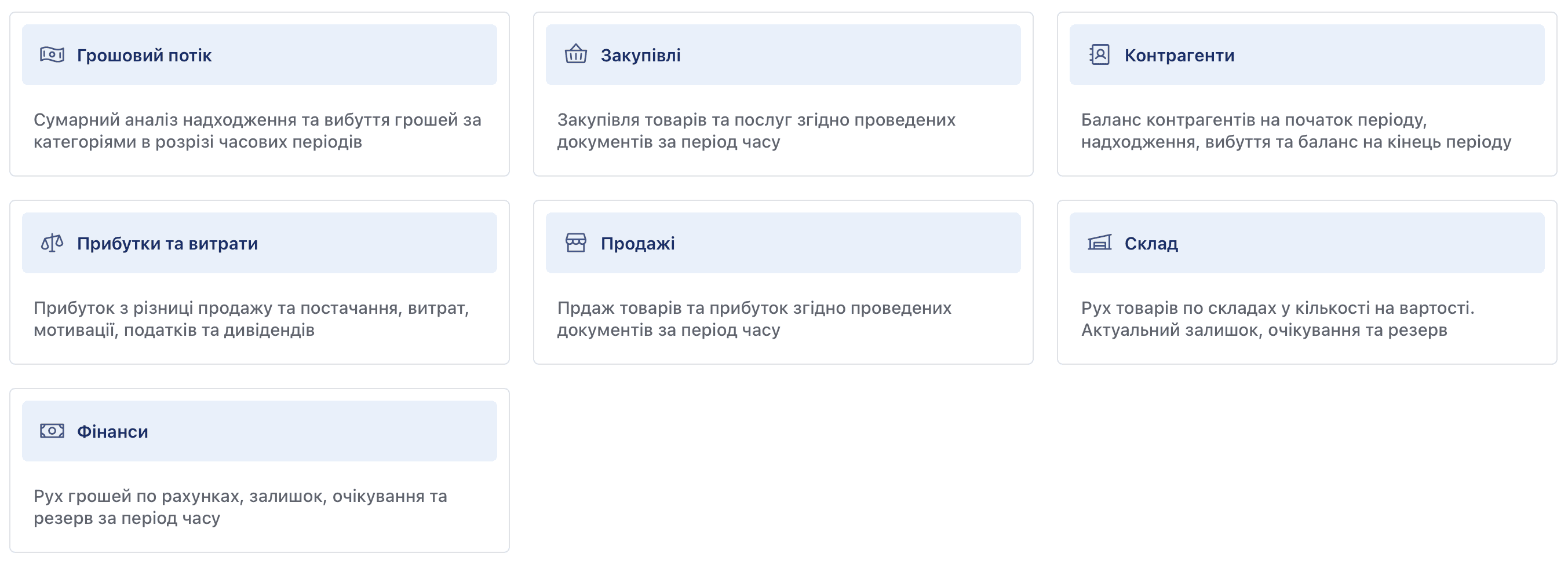
1. Financial metrics: the real picture of cash flow
Most companies only look at total revenue. But this is not enough for management.
At the beginning of the year, it is important to see:
actual receipts for the period
planned payments
overdue payments
expenses by direction
the difference between plan and actual
These metrics allow you to understand whether the actual situation matches expectations.
For example, if receipts are coming in but the number of overdue payments is increasing, this is a signal of a problem in work with clients or in contract terms. If expenses are growing faster than income, you need to review the cost structure even before a cash flow gap occurs.
In Keruj™, all financial transactions are collected in one place. The manager sees the full picture without the need to compile data from different spreadsheets. This allows you to make decisions in a timely manner — not at the end of the quarter, but immediately when a variance appears.
2. Sales and pipeline status
Sales are a system, not a random result. And for it to work stably, you need to control more than just the number of closed deals.
At the start of the year, it is worth paying attention to the following indicators:
number of new inquiries
number of active deals
conversion between stages
average order value
length of sales cycle
These metrics show exactly where the "bottleneck" is.
If there are enough leads but deals aren't closing, the problem might be in the product presentation or the manager's response speed. If the sales cycle is too long, the process may be overloaded with unnecessary stages. If the average order value is falling, it is worth reviewing the offer structure.
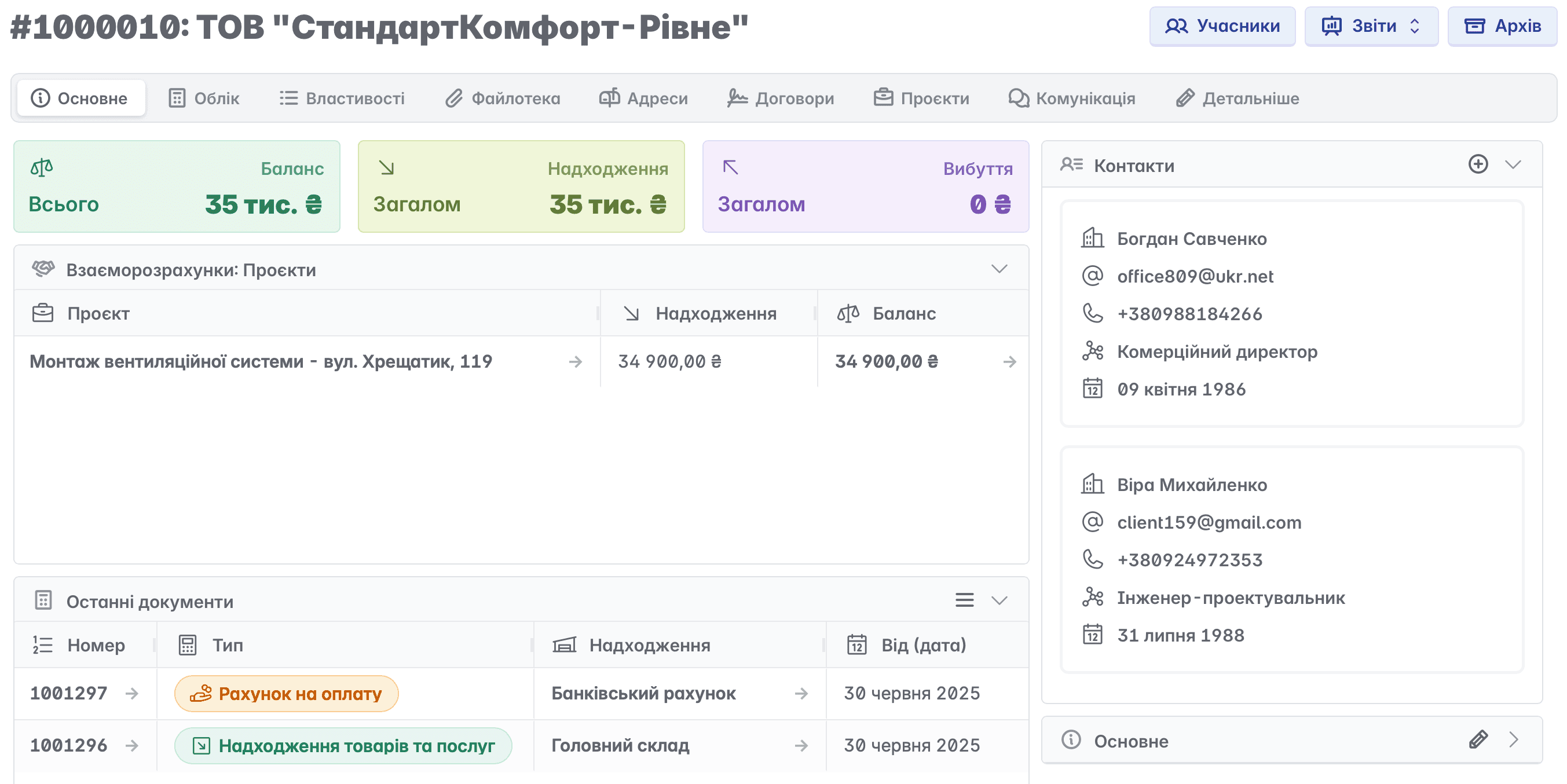
Keruj™ allows you to see the entire customer journey: from the first contact to payment. This makes it possible not only to analyze the result but also to influence it.
3. Team workload and productivity
The beginning of the year is often accompanied by new goals and increased activity. But without a clear picture of the workload, it is difficult to assess the real capabilities of the team.
You should regularly analyze:
number of active tasks per employee
overdue tasks
average completion time
number of completed tasks per period
This allows you to understand if the work distribution is balanced.
If one employee is systematically overloaded, it affects quality and deadlines. If some tasks remain stagnant, there is a risk of project failure. If the team consistently meets deadlines, you can confidently plan for scaling.
Keruj™ displays this data transparently. The manager sees the real state of affairs rather than subjective assessments.

4. Deadline compliance and process discipline
Delays are one of the first signs of a weak spot in a process. And it's not always about the human factor. Often the reason lies in poorly defined stages or a lack of accountability.
At the beginning of the year, it is important to evaluate:
what percentage of tasks are completed on time
if there are repetitive delays
at which stages problems occur
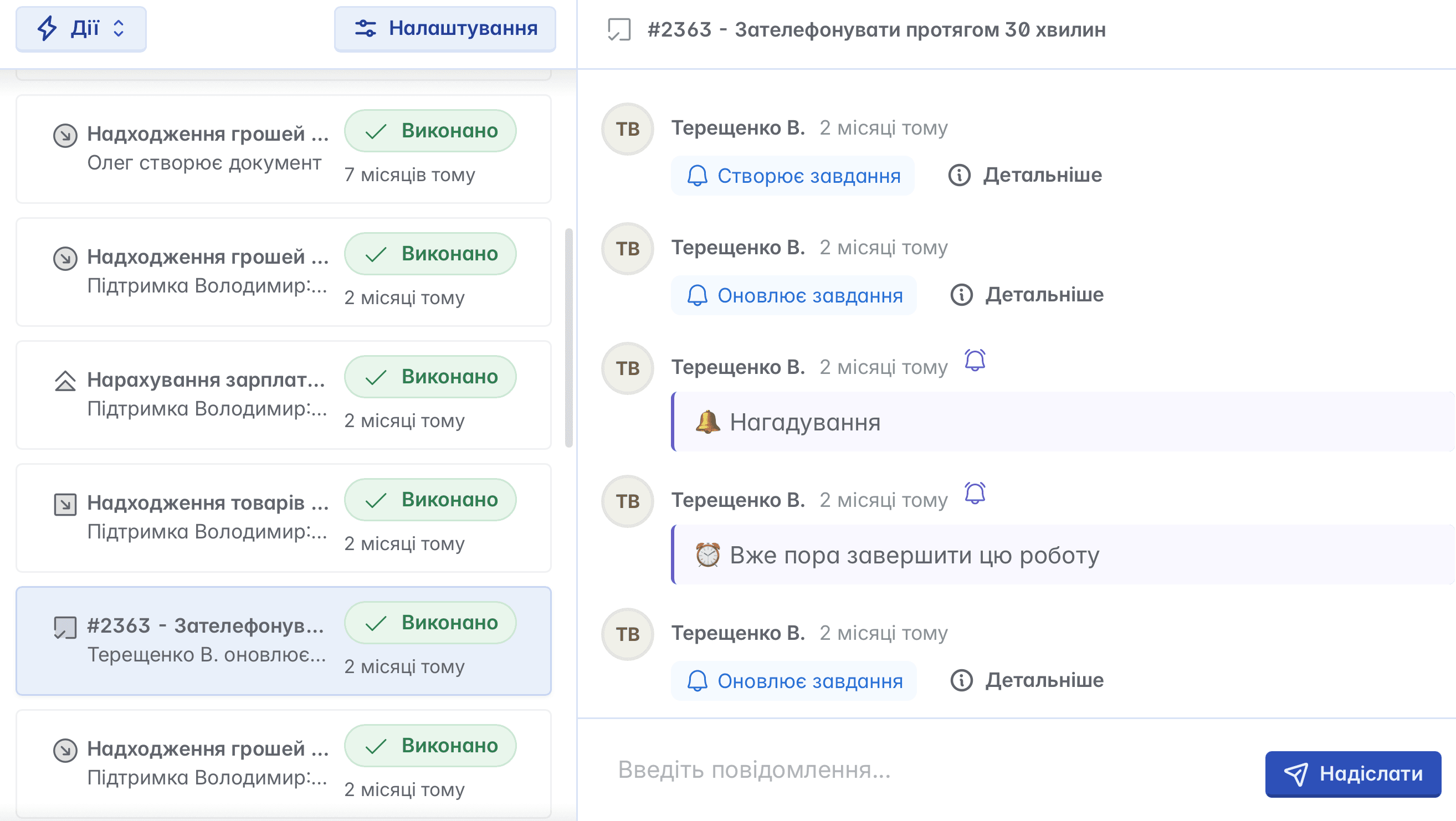
Keruj™ allows you to automatically remind about deadlines and track status changes, reducing the risk of delays. The service helps to create an environment where a deadline is not a recommendation, but a part of the process.
5. Profitability and profit structure
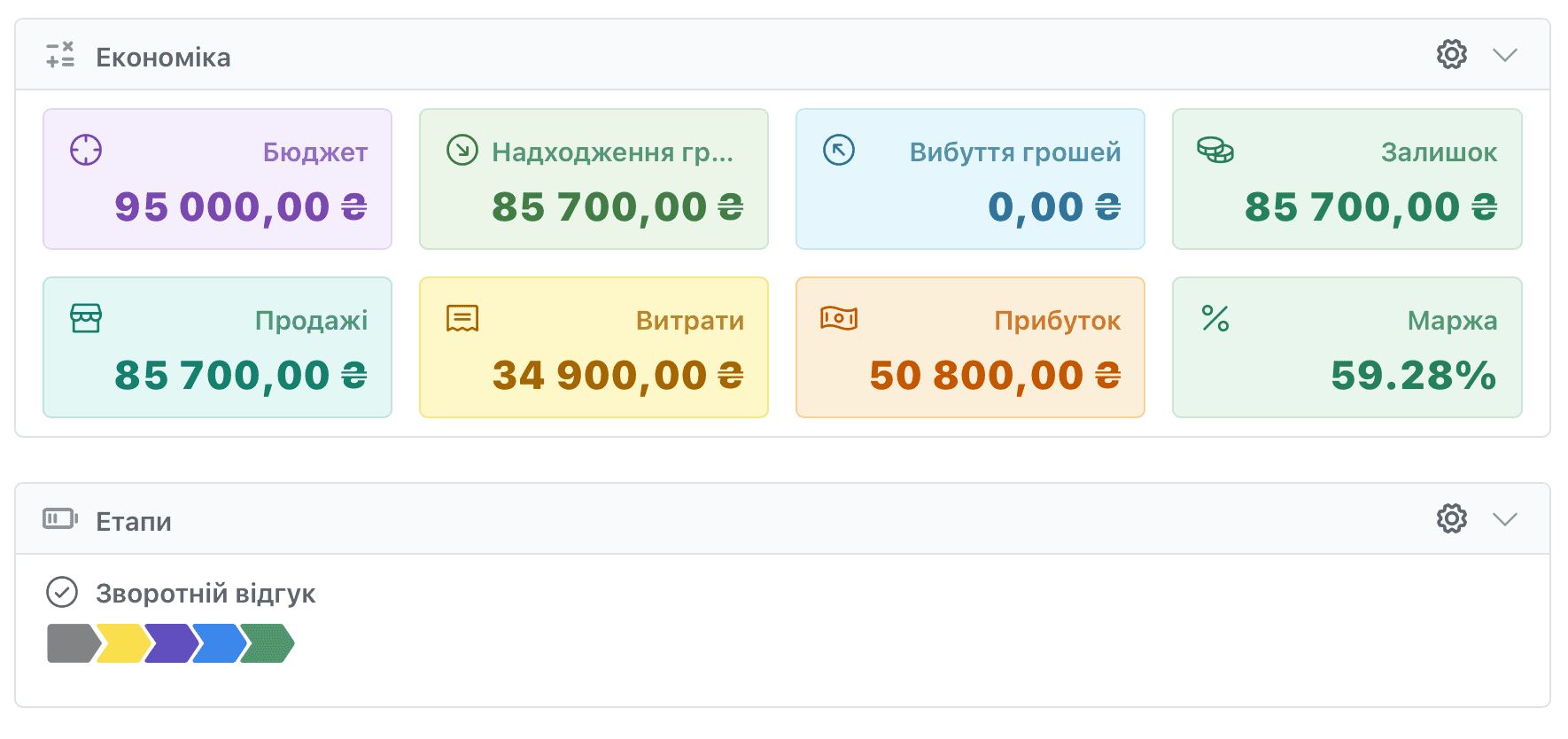
High revenue does not always mean high profit. Therefore, at the beginning of the year, it is worth analyzing which areas of work bring the greatest benefit.
It is useful to answer a few questions:
Which projects have the highest margin?
Does the resource spent correspond to the income received?
Which clients bring the most value to the company?
With Keruj™, you can immediately see all income and expense data for each project or client. This prevents you from working "at zero" and allows you to timely adjust your strategy.
6. Operational stability of the business
In addition to finances and sales, it is important to evaluate the overall health of processes. Is there duplication of tasks? Is all information stored in the system? Does the company depend on specific individuals?
At the beginning of the year, it is worth checking:
whether all data is captured in the CRM
whether access rights are configured correctly
whether automatic reminders and workflows are active
whether responsibility is distributed transparently
This forms the foundation for stable operation throughout the year.
Why tracking metrics is not micromanagement
Sometimes control is perceived as constant surveillance. In reality, it is a tool for stability.
When metrics are transparent:
the manager sees the real state of the business
the team understands expectations
decisions are made faster
risks are identified at an early stage
In this case, the CRM becomes not just a recording system, but a management system. It brings together finance, sales, tasks, and projects into a single picture.
The beginning of the year is the best time to set the rules of the game. If a company works with numbers from the very first months, the year runs predictably and stably.
Controlling finances, sales, team workload, deadlines, and profitability allows you to see not only the result but also the process. And you can only manage what is measured.
Start the year with transparency. When all key metrics are gathered in CRM, the business moves not chaotically, but systematically — with a clear understanding of where it is going and at what speed.


