Implementation

How CRM helps in B2B sales
Sales in B2B are always about long deal cycles, numerous touchpoints with the client, complex products, and many process participants. A manager has to simultaneously conduct negotiations, prepare proposals, control shipments, meet targets, and not miss a single inquiry.
The tool that allows keeping this chaos under control is CRM. It does not just store contacts, but helps build systematic sales, increases conversions, and saves the manager's time.
Below is a simple explanation of exactly how CRM helps B2B companies work more efficiently.
1. Structures the entire sales process
In B2B, it is important to understand what stage each opportunity is at: first meeting, agreement on technical specifications, sending a commercial proposal, waiting for a decision. Without systemization, this turns into chaos in files and messengers.
CRM allows you to create sales pipeline stages and clearly see where each client is right now.
The company sells equipment. In Keruj, in the "Opportunities" module, you can create the phases "New request → In progress → Deferred". A manager opens the system and sees the picture for all clients in a minute, without dozens of files and notes.

2. Records the history of interactions with the client
In B2B, cycles are long: negotiations can last for weeks, and sometimes months. It is important to remember who called when, what was discussed, what documents were sent, and what conditions interested the client.
In CRM, you can save correspondence, calls, files, commercial proposals, and other important information.
A manager has been negotiating with a company for three months. Then he goes on vacation, and his colleague covers for him. Thanks to CRM, the colleague sees the entire history: technical requirements, amounts, comments, previous agreements - and continues without delay.
3. Automates routine and saves time
B2B sales involve hundreds of micro-actions: sending commercial proposals, reminders, searching for information in chats with the client, creating documents. Often, this very routine "eats up" 30-40% of the workday.
CRM allows you to automate repetitive processes:
reminders for calls and deadlines
templates for commercial proposals
automatic insertion of details and data into documents (if you make a new document based on an existing one, for example, an invoice based on a commercial proposal)
4. Helps forecast sales
B2B sales cannot be conducted without forecasting. A manager needs to understand:
which deals are likely to close
for what amount
when to expect payment
which managers are exceeding or failing to meet the plan
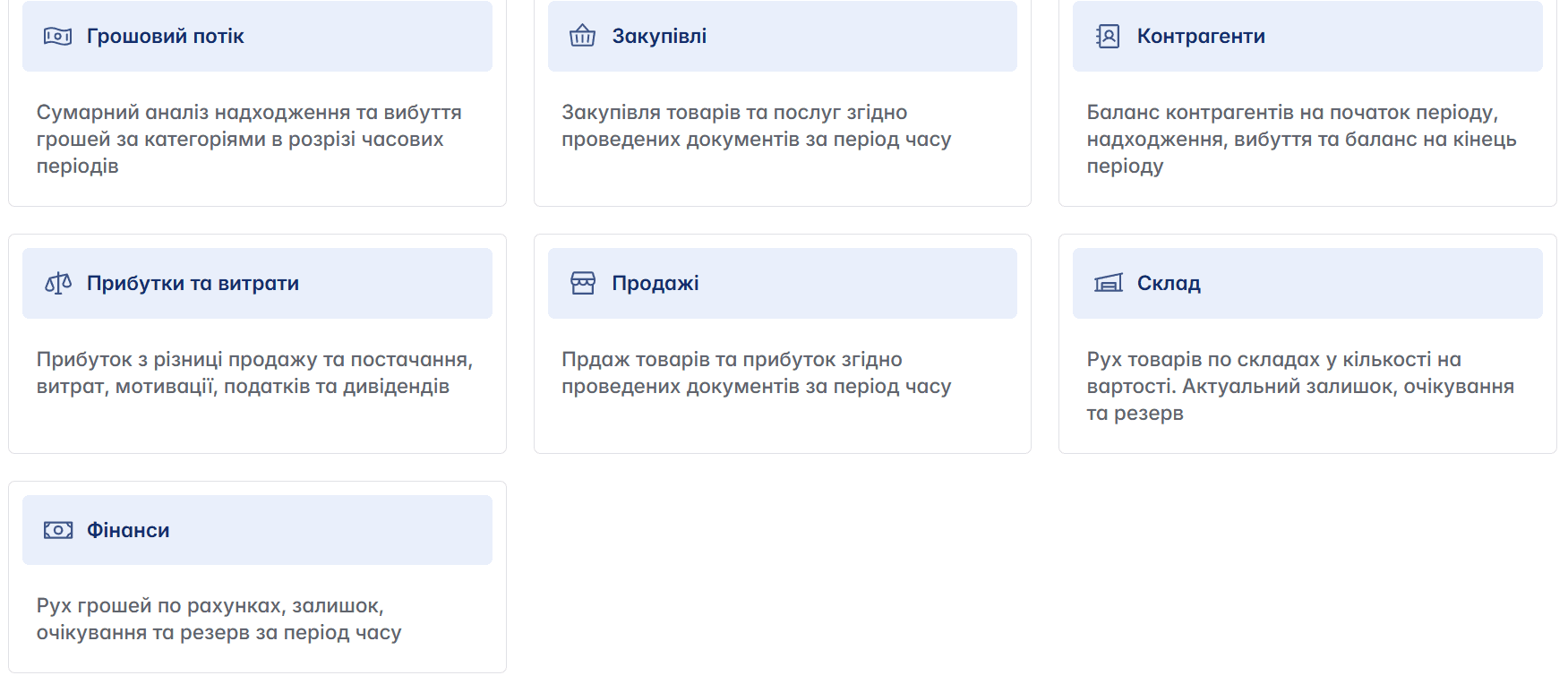
CRM collects all data and, based on the pipeline, shows analytics for each client, product, and manager.
Thanks to the systematization of reporting in Keruj, you can analyze which products sell best; which manager works most efficiently and who lags behind; the status of debts from counterparties, and which invoices and for what amounts have not yet been paid.
5. Allows not to lose a single client
In B2B, every contact is important. If you miss one call or fail to answer an email, the client may go to a competitor.
CRM collects all inquiries in one place: website, mail, phone, messengers. The system shows who needs to be answered and when.
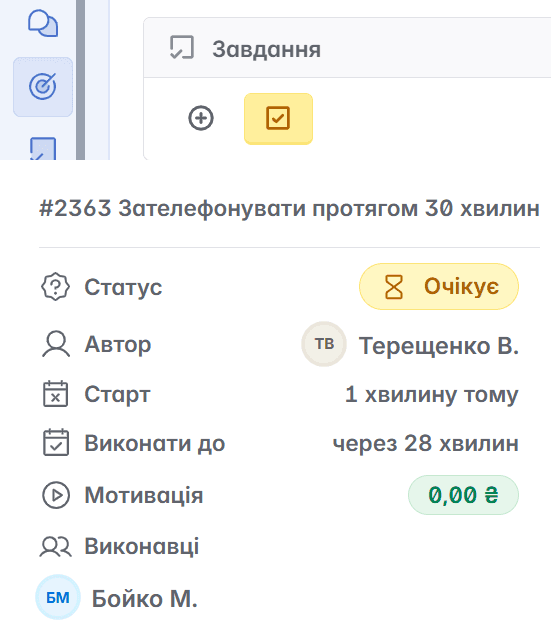
When a new request is formed in the "Opportunities" module, you can create a task with a reminder for the Manager to "Call within 30 minutes". No one will forget or miss a client.
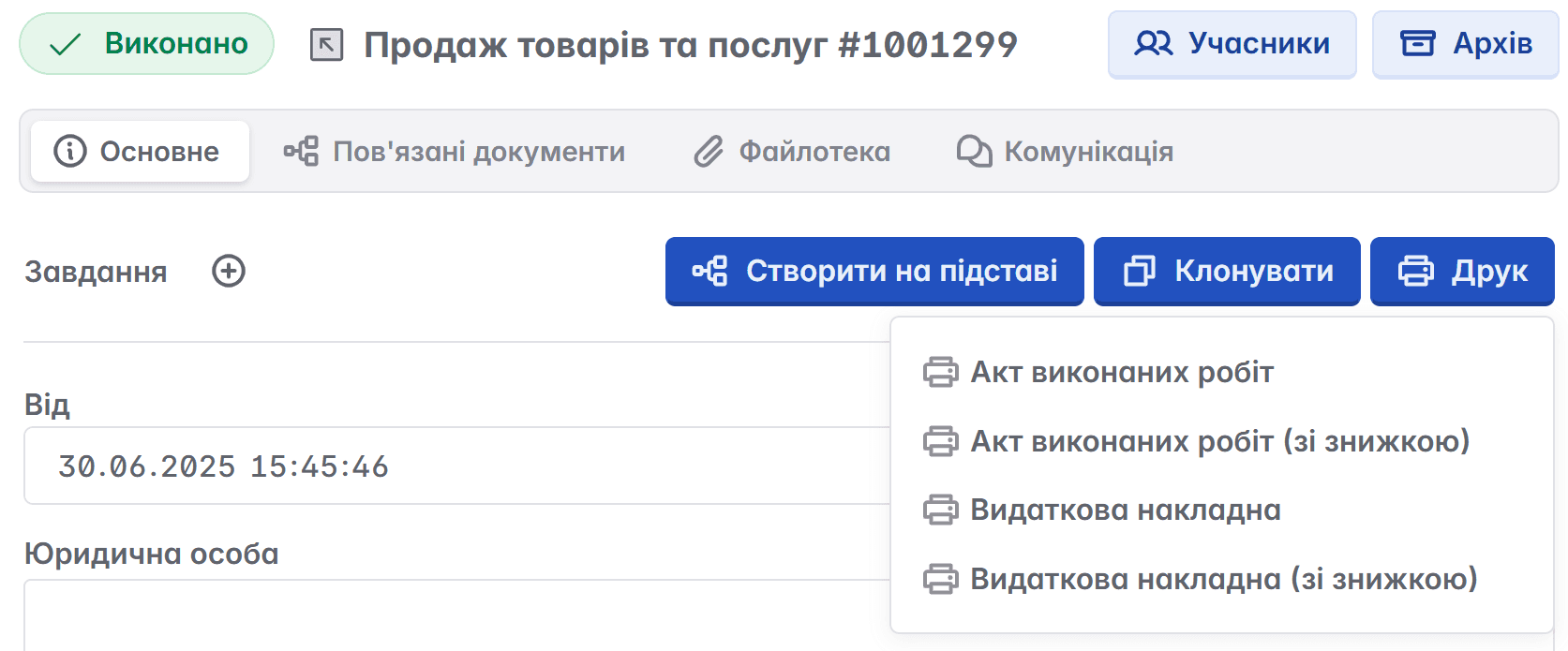
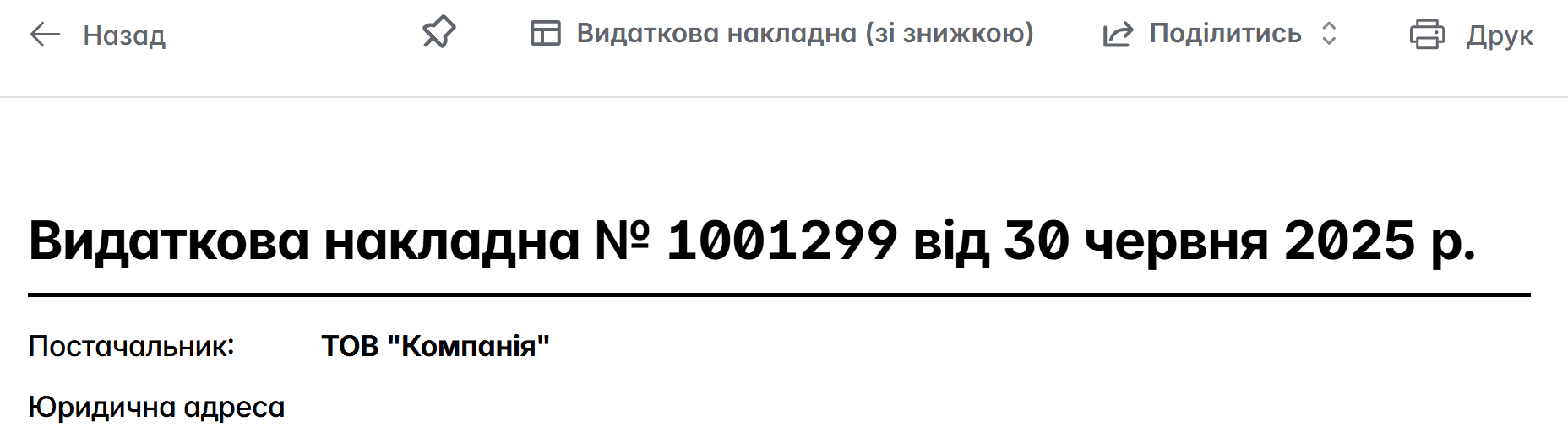
In B2B, document flow is huge: invoices, contracts, acts, specifications. CRM helps generate documents in a few seconds based on client and product data.
You can immediately print a document created in Keruj or send it to the client in the required format. This is faster than filling out documents manually every time.
CRM in B2B is not just a sales tool. It is a system that:
structures the process
preserves communication history
automates routine
provides forecasting and analytics
helps not to lose clients
speeds up document flow
strengthens managers' performance
Companies that implement CRM get more controlled processes, a stable pipeline, faster deal cycles, and sales growth.