Task

How Keruj helps reduce operational chaos in the team
In any team, sooner or later, operational chaos emerges. Tasks get lost in messengers, agreements remain in people's heads, deadlines shift, and responsible parties change without any record. As a result, there are delays, mistakes, and a constant feeling of losing control.
This is not a people problem. It is a consequence of the lack of a single system.
In this case, a CRM becomes not just a tool, but the foundation of structured teamwork.
What is operational chaos and where does it come from
Operational chaos is a state where processes in a company lack a clear structure and transparency. Work is being done, but there is no cohesive picture.
Information is stored in different places: some in chats, some in spreadsheets, and some in personal notes. Tasks are created without clear deadlines and assignees, and progress statuses are often clear only to specific individuals.
In such an environment, the team spends a lot of time not on work, but on clarifying details: what has been done, what is in progress, and who is responsible for it.
How Keruj helps bring order to processes
Keruj unites all workflows in a single environment and gives them a clear logic.
Every task gets an assignee, a deadline, and a status. Every project is broken down into clear stages. All actions are logged and remain accessible to the team.
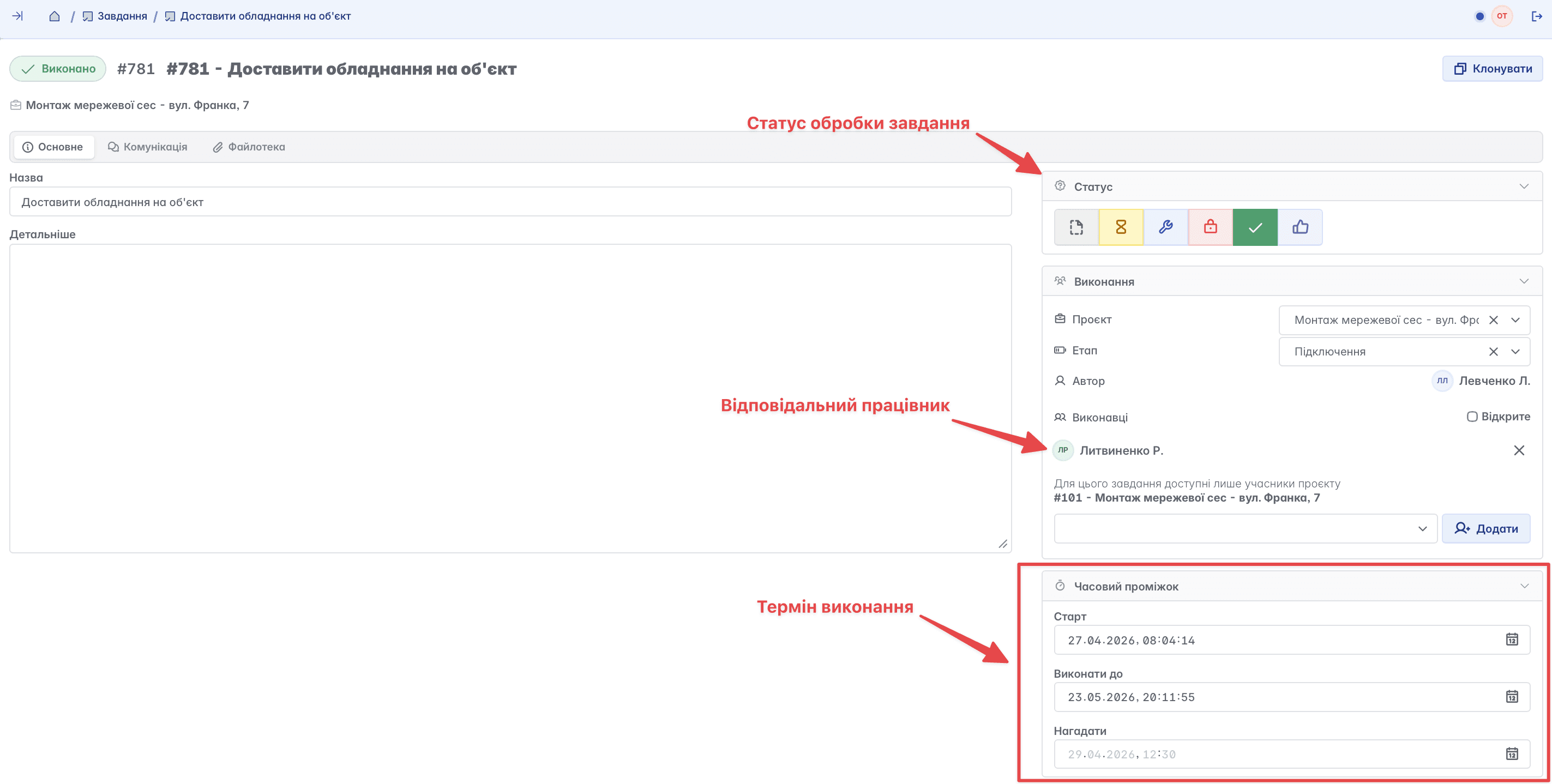
Instead of chaotic actions, a structure emerges. The team begins to work according to clear rules rather than on a situational basis.
A single point of access to information
One of the key causes of chaos is the lack of a single source of information.
When data is scattered, it is difficult to find, verify, or pass on to another employee. This creates delays and errors.
Keruj solves this problem by uniting everything in one environment. Customer history, tasks, comments, documents — all information is accessible in a few clicks.
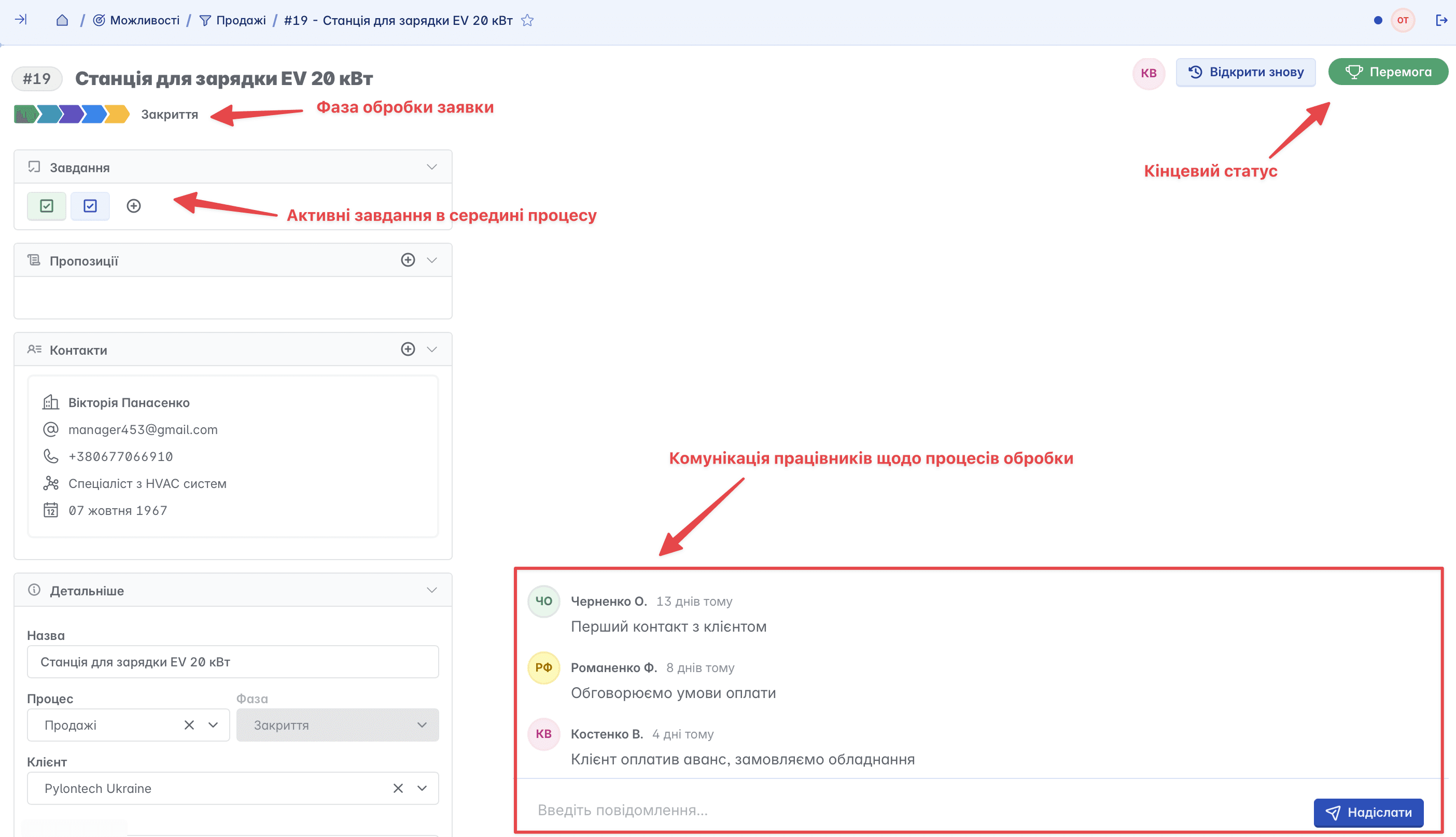
This is especially important in situations where the responsible person changes or when someone needs to quickly get involved in a project.
Transparency of processes without micromanagement
When processes are not documented, control requires constant intervention. The manager has to constantly check statuses, remind about tasks, and monitor execution manually.
Keruj changes this approach. All processes become visible: it is clear what stage a task is at, who is working on it, and if there are any delays.
Control happens through the system, not through constant requests. This reduces tension in the team and allows everyone to focus on the result.
Clear responsibility for the result
In chaotic processes, responsibility often gets blurred. If a task is not completed, it is difficult to understand where the problem occurred.
Keruj eliminates this uncertainty. Each task has a specific assignee, a fixed deadline, and a clear expected outcome.
This brings clarity to the work. The team understands their tasks better, and the manager sees the real state of affairs.
Deadline control and planning
Missing deadlines is one of the most common problems in teams without a system.
Keruj allows working with deadlines in a more structured way. Tasks have clear completion dates, the system sends reminders about them, and the manager sees the overall picture of the workload.
This helps not only to react to delays but also to prevent them. Work becomes more predictable and the workload more balanced.
Better team collaboration
When a team works in different tools, communication becomes complicated. Part of the discussion gets lost, part is duplicated, and some has to be reconstructed from memory.
Keruj centralizes communication within tasks, leads, and projects. All comments, clarifications, and agreements are kept in the context of the work.
This makes it easy to quickly reconstruct the sequence of events and avoid misunderstandings.
What changes after implementing Keruj
After implementing the service, the team transitions from chaotic to systematic work. Processes become clear, information becomes accessible, and responsibility becomes well-defined.
Instead of constant "firefighting," the opportunity arises to plan, analyze, and grow the business.
Operational chaos does not disappear on its own. But it can be significantly reduced if there is a tool that provides structure.


